

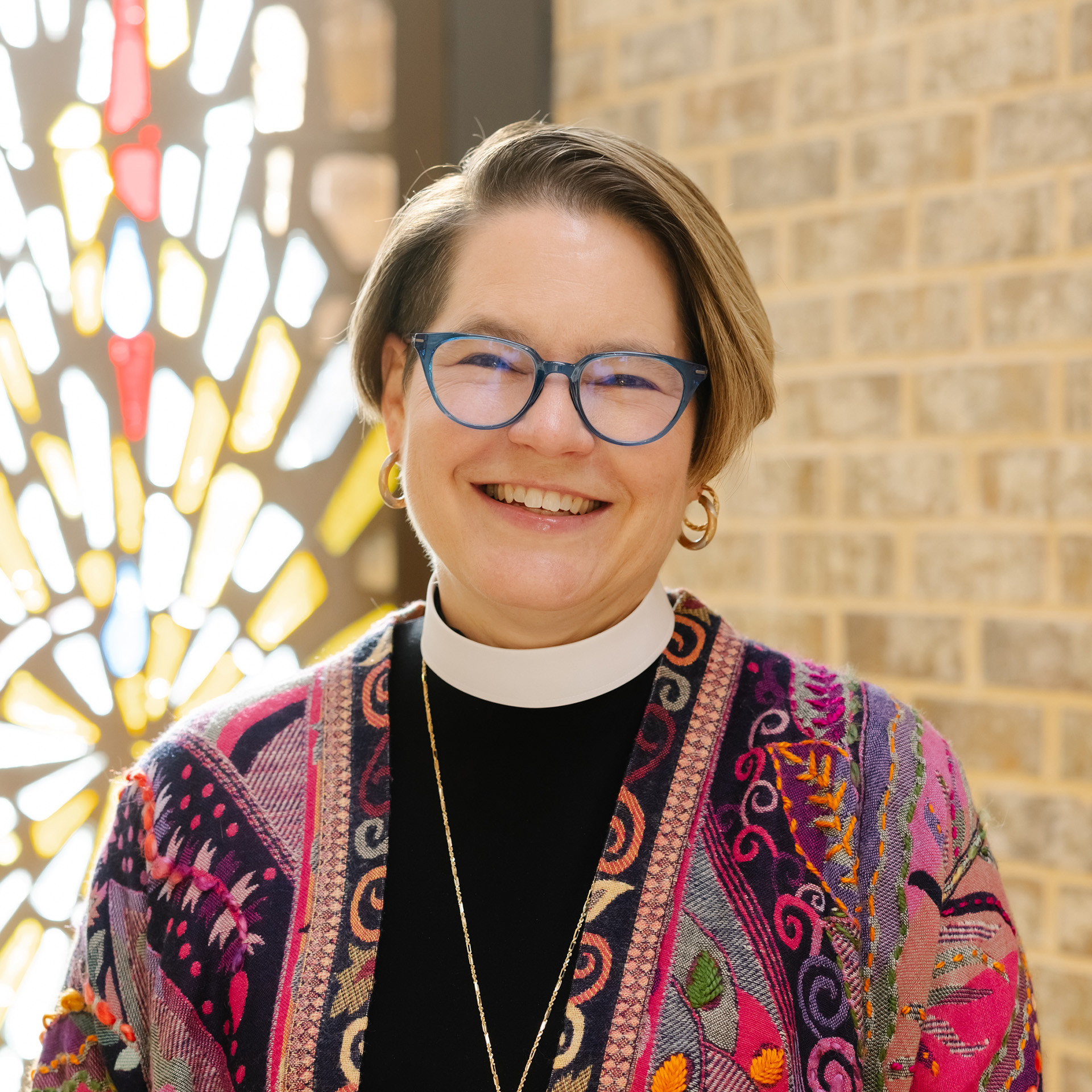
By Mother Rebecca
In my Ash Wednesday sermon, I shared that Lent sometimes feels a little like a New Year's Day restart. Six weeks in and my energy for my "new year, new you" intentions has waned, and I am tempted to infuse that waning energy with a healthy dose of Lenten piety. Dieting … fasting … they're kind of the same, aren't they?
Actually, no. Dieting and fasting are not the same. New Year and Ash Wednesday are not the same. For in Lent, we are invited "to the observance of a holy Lent, by self-examination and repentance; by prayer, fasting, and self-denial; and by reading and meditating on God's holy Word." Notice the verb: observe.
- We are not asked to achieve a holy Lent.
- Not asked to perform one.
- We are invited to observe one.
To "observe" something is to conform our lives to it through steady practice. Lent is not about spiritual heroics. It is about practicing our faith. It's about conforming our lives to Jesus' life.
In the Sermon on the Mount, Jesus says, "Whenever you give alms … whenever you pray … whenever you fast." Not if. Whenever. He presumes we are people who practice our faith. But, he warns, "Don't perform your faith." Practice forms us. Performance seeks approval.
Anyone who has committed to a craft understands the importance of practice. Musicians practice scales. Athletes run drills. Surgeons rehearse procedures. Because when push comes to shove and we're called upon to enact our faith under pressure, good intentions aren't enough. At such times, we depend on what we have practiced.
Lent is the Church's training ground.
- Self-examination is practice in telling the truth.
- Repentance is practice in turning back.
- Prayer is practice in attention.
- Fasting is practice in freedom from the idol of comfort.
- Reading Scripture is practice in remembering who—and whose—we are.
We practice in private because love that must endure in public is cultivated in secret. The time will come when love will require us to speak when silence would be easier, to forgive when anger would feel better, to stand with those who hunger and mourn. That kind of faith cannot be improvised. It must be practiced.
So rather than reinvigorating faded resolutions, I invite you to create a Lenten training plan. Jesus presumes your plan will include almsgiving, prayer, and fasting. The Church's invitation supplements these with self-examination and repentance and Scripture reading. An effective plan is realistic and sustainable, but also challenging enough to disrupt our routines. Daily prayer. Daily Scripture reading. A brief, daily examen before bed. Fasting, not as diet but as withdrawal from food for the sake of drawing near to God. If you're unsure where to begin, your clergy are here to help you shape something that fits your life.
Some say it takes 10,000 hours of practice to master a craft. With only 960 hours in the next 40 days, none of us can master the Christian life this Lent. But we can make a right beginning. For, you see, Lent is not something to endure and then abandon. It is a season set aside to help us practice a way of life.
In his sermon on the mount, after teaching about practicing our faith, Jesus says: "Where your treasure is, there your heart will be also." Lent is a season for gently, deliberately relocating our treasure.
Not by force.
Not by shame.
But by slow and steady practice.
Previous Articles
March 27, 2026
March 20, 2026
March 13, 2026
March 6, 2026

February 27, 2026